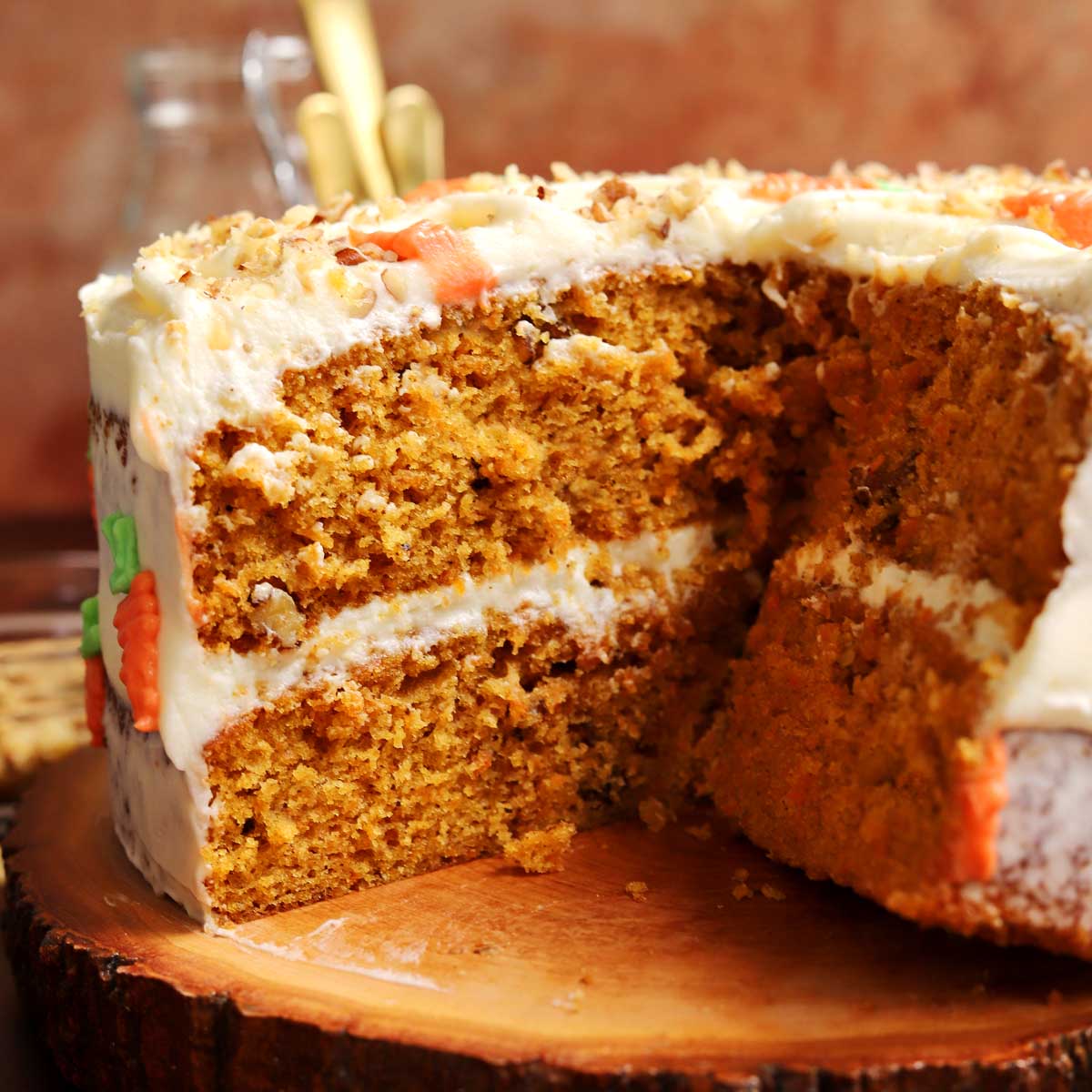
Few desserts evoke such warmth and comfort as a perfectly baked carrot cake. Its rich, spiced aroma, the delightful texture of grated carrots and nuts, and that irresistible, tangy-sweet blanket of cream cheese frosting – it's a symphony of flavors that has captivated palates for generations. But let's be honest, while a good carrot cake is wonderful, finding the best carrot cake with cream cheese frosting recipe can feel like a quest for the holy grail. Many have attempted, some have succeeded, and others have ended up with a runny frosting or a dry cake. Fear not, fellow baking enthusiasts! This comprehensive guide is designed to demystify the process, taking you step-by-step to achieve not just a good carrot cake, but an extraordinary one, crowned with the silkiest, most delectable cream cheese frosting you've ever tasted. Get ready to elevate your baking game and impress everyone with this timeless classic.
The Heart of the Matter: Crafting the Perfect Carrot Cake Base
The foundation of any truly magnificent carrot cake lies in its base – a moist, flavorful sponge that serves as the perfect canvas for its creamy counterpart. Achieving this requires attention to a few key details, from ingredient selection to mixing technique.
Choosing Your Carrots Wisely
While any carrots will technically work, fresh, firm carrots are your best bet. Avoid pre-shredded varieties as they can be dry and lack the vibrant flavor and moisture of freshly grated carrots. For the best texture, grate your carrots using the medium-sized holes of a box grater. This size ensures they soften beautifully during baking without disappearing entirely or making the cake too chunky. You'll typically need about 3-4 cups of grated carrots for an average 9-inch, two-layer cake.
The Moisture Equation: Oil vs. Butter
Many argue about oil versus butter in carrot cake. For ultimate moisture and a tender crumb that stays fresh for days, oil is generally superior. Vegetable oil, canola oil, or even a light olive oil work wonderfully, contributing to that sought-after soft texture without overpowering the spiced flavors. Butter, while adding a lovely richness, can sometimes result in a slightly denser or drier cake over time. A good compromise can be a combination, but for pure moisture, lean towards oil. For even more secrets to a truly moist cake, dive into our article: Secret to the Best Moist Carrot Cake & Cream Cheese Frosting.
Spices and Sweeteners: A Symphony of Flavor
The spice blend is what gives carrot cake its signature warmth. Cinnamon is a non-negotiable, but don't stop there! A balanced mix of nutmeg, ginger, and a pinch of allspice or cloves will deepen the flavor profile considerably. Adjust these to your personal preference. Brown sugar is often preferred over white sugar for its molasses content, which contributes additional moisture and a caramel-like depth of flavor to the cake.
The Art of Mixing: Don't Overdo It!
Once your wet and dry ingredients are separate, combine them just until no streaks of flour remain. Overmixing is the enemy of a tender cake! It develops the gluten in the flour too much, leading to a tough, dense texture. Gently fold in your grated carrots and any desired add-ins like walnuts, pecans, or raisins.
Baking to Perfection
Preheat your oven properly and resist the urge to open the oven door frequently. Bake until a toothpick inserted into the center comes out with moist crumbs, but no wet batter. Overbaking will lead to a dry cake, so keep a close eye on it, especially in the last 10-15 minutes of baking time.
Unveiling the Secrets to THE BEST Cream Cheese Frosting
Now for the star companion – the glorious cream cheese frosting. This is where many home bakers stumble, resulting in a frosting that's either too runny, too sweet, or strangely lumpy. But achieving the best carrot cake with cream cheese frosting recipe absolutely hinges on mastering this component. Here's how to create a frosting that's perfectly smooth, tangy, sweet, and firm enough to hold its shape.
The Holy Trinity: Cream Cheese, Butter, Powdered Sugar
- Full-Fat Cream Cheese: This is non-negotiable. Low-fat or whipped cream cheese contains too much water and will result in a runny, unstable frosting. Always opt for brick-style, full-fat cream cheese.
- Unsalted Butter: Using unsalted butter allows you to control the salt content. The butter adds richness and helps stabilize the frosting.
- Powdered Sugar (Confectioners' Sugar): This is essential for a smooth, lump-free frosting. Granulated sugar will give you a grainy texture. Sifting your powdered sugar is a crucial step to prevent lumps.
Temperature is Key: The Golden Rule
This might be the most important tip of all: your cream cheese and butter MUST be at proper room temperature. Not too cold, not too warm.
- Cream Cheese: If it's too cold, it will be lumpy. If it's too warm, it will be too soft and make your frosting runny. Take it out of the fridge about 30-45 minutes before you start. It should give slightly when gently pressed.
- Butter: Like the cream cheese, it needs to be softened, but not melted. It should be pliable but still cool to the touch. This typically takes about an hour or two out of the fridge.
The Art of Whipping: Order and Technique
Follow these steps for a silky-smooth frosting:
- Cream the Butter: In a large mixing bowl, beat the softened unsalted butter with an electric mixer on medium speed for 2-3 minutes until light and fluffy. This incorporates air and ensures a smooth base.
- Add Cream Cheese: Add the room-temperature cream cheese to the butter. Beat on low speed initially to combine, then increase to medium-high and beat for just 1-2 minutes until smooth and lump-free. Do NOT overbeat the cream cheese! Overbeating introduces too much air and can break down its structure, making the frosting runny.
- Introduce Powdered Sugar: Gradually add the sifted powdered sugar, one cup at a time, mixing on low speed until just combined after each addition. Once all the sugar is in, add your vanilla extract (and a pinch of salt to balance the sweetness). Beat on low speed until everything is incorporated and smooth, then briefly increase to medium-low for 30 seconds to fluff it up slightly.
Troubleshooting Common Frosting Fails
- Too Runny? If your frosting is too soft, it's usually due to warm ingredients or overbeating. Try chilling the frosting in the fridge for 20-30 minutes, then give it a quick whip. You can also carefully add a tablespoon or two more sifted powdered sugar, but be mindful of sweetness.
- Too Stiff? If it's too thick, add a tiny splash (1/2 teaspoon at a time) of milk or cream and mix until desired consistency is reached.
- Lumpy? Likely cold cream cheese. A warm bowl over a double boiler (briefly, very carefully!) can help, or re-whip after chilling. Always sift your powdered sugar!
Assembling Your Masterpiece: Tips for a Professional Finish
You’ve baked the perfect cake and whipped up the silkiest frosting – now it's time to bring them together. The assembly process is key to achieving that bakery-worthy look and ensuring every slice is a delight.
Cool Cake, Cool Cake, Cool Cake!
This cannot be stressed enough: your cake layers must be completely, utterly, 100% cool before you even think about frosting them. A warm cake will melt your beautifully crafted cream cheese frosting into a sticky, messy puddle. Plan ahead and allow cakes to cool completely on a wire rack for at least 2-3 hours, or even overnight. You can even wrap cooled cake layers tightly in plastic wrap and chill them in the refrigerator (or freeze them) for easier handling, as cold cake is firmer and less prone to tearing.
Leveling Up Your Layers
For a professional, even appearance, it’s often necessary to level your cake layers. If your cakes have domed tops, use a serrated knife or a cake leveling tool to gently slice off the dome, creating a flat surface. This ensures your stacked layers sit evenly and don't lean.
The Essential Crumb Coat
A crumb coat is a thin layer of frosting applied to the entire cake before the final decorative layers. Its purpose is to trap any loose crumbs, preventing them from mixing into your final, pristine frosting.
- Place one leveled cake layer on your serving plate or cake stand.
- Spread a generous amount of frosting evenly over the top.
- Place the second cake layer on top, aligning it carefully.
- Apply a very thin, almost translucent layer of frosting over the top and sides of the entire cake. Don't worry about perfection here; just get it covered.
- Chill the crumb-coated cake in the refrigerator for 15-30 minutes. This allows the crumb coat to firm up, effectively sealing in all those pesky crumbs.
The Final Frosting Flourish
Once your crumb coat is firm, you're ready for the main event. Apply a generous amount of frosting to the top of the cake, spreading it evenly with an offset spatula or knife, working your way to the edges. Then, apply frosting to the sides, smoothing it out as you go. For a rustic look, you can create swirls with your spatula. For a smoother finish, dip your spatula in hot water, wipe it clean, and use it to gently smooth the frosting.
Garnish and Presentation
Elevate your carrot cake's appeal with simple garnishes. Chopped toasted walnuts or pecans pressed into the sides are classic and add texture. A dusting of cinnamon, some delicate carrot curls made with a vegetable peeler, or piped frosting decorations can add an elegant touch. Remember, presentation is part of the experience!
Customization & Variations: Making It Your Own
While the best carrot cake with cream cheese frosting recipe is a classic for a reason, part of the joy of home baking is making it truly yours. Carrot cake is incredibly versatile, lending itself beautifully to various additions and flavor enhancements.
Spice Things Up!
Don't be afraid to experiment with your spice blend. While cinnamon, nutmeg, and ginger are staples, consider adding:
- Allspice: For a deeper, more complex warmth.
- Cloves: Use sparingly, as they are potent, but add a lovely aromatic note.
- Cardamom: For an exotic, fragrant twist that pairs beautifully with carrots.
Beyond the Basics: Exciting Add-Ins
While nuts are a common addition, consider these ingredients to elevate your cake's texture and flavor:
- Pineapple: Crushed pineapple (well-drained!) adds incredible moisture and a subtle tropical tang.
- Coconut: Shredded coconut, especially toasted, brings a delightful chewiness and sweetness.
- Golden Raisins: Sweeter and softer than regular raisins, they distribute beautifully throughout the cake.
- Orange Zest: A touch of orange zest in the cake batter or even in the frosting can brighten the flavors significantly.
Frosting with a Twist
Your perfect cream cheese frosting can also be customized:
- Lemon Zest: A hint of fresh lemon zest cuts through the sweetness and adds a vibrant zing.
- Orange Zest: Similar to lemon, orange zest enhances the classic carrot cake flavors.
- Maple Syrup: A touch of maple extract or a drizzle of maple syrup can add a distinct autumn flavor.
Dietary Considerations
With a few modifications, you can often adapt the best carrot cake with cream cheese frosting recipe to suit various dietary needs:
- Gluten-Free: Substitute all-purpose flour with a good quality gluten-free baking blend that contains xanthan gum.
- Dairy-Free: Use dairy-free cream cheese (often almond or soy-based) and a good quality vegan butter substitute. Be aware that the texture of dairy-free frosting can differ slightly.
For more intricate details and advanced techniques to truly make this recipe your own, don't miss our comprehensive guide: Master the Best Carrot Cake Recipe & Cream Cheese Frosting.
Creating the ultimate carrot cake with perfect cream cheese frosting is a rewarding endeavor that goes beyond simply following a recipe. It's about understanding the nuances of ingredients, mastering key techniques, and adding a touch of your own culinary flair. From ensuring the moistest cake base to whipping up that famously stable and tangy frosting, every step contributes to a truly memorable dessert. We hope this guide empowers you to confidently bake the best carrot cake with cream cheese frosting recipe you've ever imagined. So gather your ingredients, preheat your oven, and prepare to delight yourself and your loved ones with this timeless, utterly irresistible classic. Happy baking!
