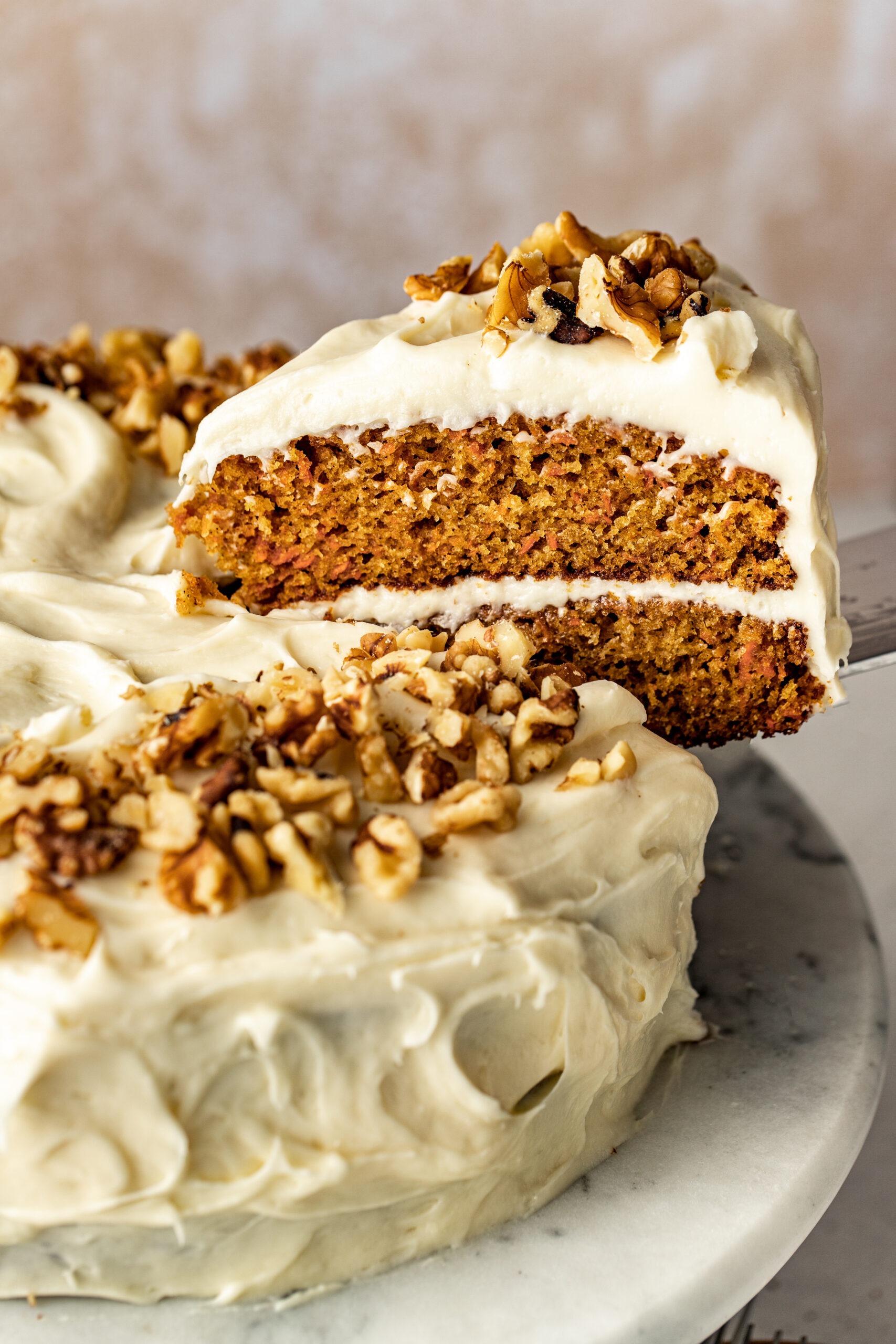
Master the Best Carrot Cake Recipe & Cream Cheese Frosting
There are cakes, and then there's carrot cake – a timeless classic that evokes comfort, warmth, and pure indulgence. When perfectly executed, it’s a symphony of sweet and spicy notes, a marvel of moist texture, and a luxurious canvas for the tang of cream cheese frosting. If you've been on a quest for that elusive perfect slice, you've come to the right place. We're diving deep into the art and science of crafting
the best carrot cake with cream cheese frosting recipe, ensuring every bite is a memorable one. Forget dry, crumbly cakes and overly sweet, gloopy frostings; prepare to elevate your baking game and impress everyone with a masterpiece that truly stands out.
The Foundation: Crafting the Perfect Carrot Cake Batter
The secret to an unforgettable carrot cake lies in its foundation: the cake layers themselves. They need to be incredibly moist, packed with flavor, and have a tender crumb that practically melts in your mouth. Achieving this requires attention to detail, from ingredient selection to mixing technique.
Key Ingredients for Unmatched Moisture and Flavor
The star of the show, of course, is the carrot. But not all carrots are created equal for baking.
- Carrots: Finely grated carrots are essential. They disappear seamlessly into the batter, distributing moisture evenly without creating chunky bits. Aim for about 3 cups of packed, finely grated carrots for a standard two-layer 9-inch cake.
- Oil: Unlike butter, which can make cakes denser and drier, vegetable oil (or another neutral-flavored oil like canola or grapeseed) ensures a consistently moist cake. It keeps the cake tender long after baking, a crucial element for what we consider the best carrot cake with cream cheese frosting recipe.
- Sugars: A blend of granulated and brown sugar is ideal. Granulated sugar provides sweetness, while brown sugar adds depth of flavor, a hint of caramel, and contributes significantly to the cake's moistness.
- Eggs: Large eggs bind the ingredients, add richness, and help the cake rise beautifully. Ensure they are at room temperature for better emulsification.
- Flour: All-purpose flour works best. Measure it correctly by spooning it into your measuring cup and leveling it off – never scoop directly from the bag, which can compact the flour and lead to a dry cake.
The Spice Blend: A Symphony of Aromatic Flavors
What truly distinguishes carrot cake is its warm, inviting spice profile. This isn't just about adding a dash of cinnamon; it's about creating a harmonious blend that complements the sweetness and richness of the cake.
- Cinnamon: The undeniable backbone of carrot cake spices. Use good quality ground cinnamon.
- Nutmeg: Freshly grated nutmeg offers an unparalleled aroma and flavor compared to pre-ground versions.
- Ginger: Ground ginger adds a lovely warmth and subtle zest.
- Allspice (Optional but Recommended): This spice adds a complex, sweet, and pungent note that ties all the other flavors together.
- A Pinch of Salt: Don't underestimate salt! It balances the sweetness and enhances all the other flavors in the cake.
Pro Tip: Always check the freshness of your spices. If they've been sitting in your pantry for years, they've likely lost their potency, and your cake will suffer.
Add-ins: Nuts, Raisins, and Beyond for Texture and Taste
While optional, well-chosen add-ins elevate the texture and flavor of your carrot cake from good to truly exceptional.
- Nuts: Toasted pecans or walnuts are classic choices. Toasting them briefly in a dry pan or oven before adding them intensifies their flavor and crunch.
- Raisins or Pineapple: For an extra layer of moisture and a chewy texture, consider adding golden raisins or crushed pineapple (well-drained!). These ingredients contribute immensely to the overall moistness and rich flavor, as highlighted in our article: Secret to the Best Moist Carrot Cake & Cream Cheese Frosting.
Actionable Advice: To prevent nuts and fruits from sinking to the bottom of your cake, toss them lightly with a tablespoon of flour before folding them into the batter. This slight coating helps them suspend evenly.
The Secret to Heavenly Cream Cheese Frosting
A great carrot cake demands an equally great cream cheese frosting. It should be tangy, sweet, creamy, and not too heavy. The perfect frosting balances the cake beautifully, offering a delightful counterpoint to its spiced sweetness.
Essential Ingredients for Silky Smoothness and Tangy Perfection
Simplicity is key, but quality ingredients make all the difference.
- Cream Cheese: Use full-fat brick-style cream cheese, not the spreadable kind from a tub. It must be softened to room temperature for a smooth, lump-free frosting.
- Unsalted Butter: Also softened to room temperature. This provides richness and helps stabilize the frosting. Using unsalted butter allows you to control the salt content.
- Powdered Sugar (Confectioners' Sugar): This is what gives the frosting its sweetness and structure. Sifting it before use is crucial to prevent lumps.
- Vanilla Extract: A good quality pure vanilla extract enhances the flavor significantly.
- A Pinch of Salt: Just like in the cake, salt in the frosting cuts through the sweetness and brightens the flavors.
Mastering the Mixing Technique for a Fluffy Frosting
The technique for making cream cheese frosting is straightforward but requires precision to avoid a runny or lumpy mess.
- Cream Together Butter and Cream Cheese: In a large bowl, beat the softened cream cheese and butter together until perfectly smooth and creamy, with no lumps. This is the most crucial step – don't rush it!
- Gradually Add Powdered Sugar: With the mixer on low speed, slowly add the sifted powdered sugar, a cup at a time, until fully incorporated. Mixing too fast or adding too much sugar at once can send a cloud of sugar into your kitchen.
- Add Vanilla and Salt: Once all the sugar is in, beat in the vanilla extract and salt until just combined.
- Avoid Overbeating: This is paramount! Overbeating cream cheese frosting can incorporate too much air, making it less stable and potentially runny. Beat only until everything is combined and fluffy.
Practical Tip: If your frosting turns out a little too soft, don't panic! A brief chill in the refrigerator (15-30 minutes) can often firm it up enough to make it spreadable. For more in-depth tips on perfecting your frosting, check out
Ultimate Carrot Cake: Your Guide to Perfect Cream Cheese Frosting.
Assembling and Decorating Your Masterpiece
Once your cake layers are baked and cooled, and your frosting is perfectly whipped, it's time for the grand finale: assembly and decoration. This is where your carrot cake truly transforms into a showstopper.
Baking for Perfection
Proper baking ensures a moist, evenly cooked cake.
- Pan Preparation: Grease and flour your cake pans thoroughly, or line the bottoms with parchment paper for easy release.
- Even Baking: Divide your batter equally between pans. Bake in a preheated oven, and resist the urge to open the oven door frequently, which can cause cakes to sink.
- Doneness Test: The cake is done when a wooden skewer or toothpick inserted into the center comes out clean or with a few moist crumbs attached. Don't overbake, as this is a primary cause of dry cake.
- Cool Completely: Allow the cake layers to cool in their pans for about 10-15 minutes before inverting them onto a wire rack to cool completely. This means completely, folks! Frosting a warm cake is a recipe for disaster, as the frosting will melt and slide off.
Layering Like a Pro
Creating beautiful, even layers makes for an impressive presentation.
- Leveling: If your cake layers have domed tops, use a serrated knife or a cake leveler to gently trim them flat. This ensures stable, even layers.
- Crumb Coat: Apply a thin layer of frosting all over the cooled cake. This "crumb coat" traps any loose crumbs, creating a smooth surface for your final layer of frosting. Chill the cake for 15-20 minutes to set the crumb coat.
- Final Frosting: Once the crumb coat is set, apply the remaining frosting generously and evenly. Use an offset spatula for smooth sides and a pleasing swirl on top, or pipe decorative borders.
Decorative Touches and Serving Suggestions
A beautifully decorated cake tastes even better!
- Garnish: Sprinkle the top with chopped toasted pecans or walnuts, finely grated carrots, or even candied carrot curls. A dusting of cinnamon or nutmeg can also add an elegant touch.
- Serving: Allow the cake to come to room temperature for about 30 minutes before serving for the best flavor and texture.
- Storage: Carrot cake, especially with cream cheese frosting, should be stored in an airtight container in the refrigerator. It tastes even better the next day as the flavors meld!
Troubleshooting Common Carrot Cake Conundrums
Even the most seasoned bakers encounter challenges. Here are solutions to common carrot cake issues.
Dry Cake?
A dry carrot cake is usually a result of one or more of these issues:
- Overbaking: Keep a close eye on your baking time and test for doneness promptly.
- Too Much Flour: Ensure you're measuring your flour correctly (spoon and level!).
- Not Enough Moisture: Double-check your recipe for the correct amount of oil, eggs, and moist add-ins like pineapple.
Frosting Too Runny or Stiff?
Frosting consistency is critical.
- Runny Frosting: This often happens if the cream cheese or butter was too warm, or if the frosting was overbeaten. Chill the frosting in the fridge for 30 minutes, then re-whip gently if needed. Add a bit more sifted powdered sugar if it's still too soft.
- Stiff Frosting: If it's too thick, add a teaspoon of milk or cream at a time, beating until you reach the desired consistency.
Cake Sinks in the Middle?
A collapsed cake can be disheartening.
- Underbaked: The most common culprit. Ensure the cake is fully cooked through.
- Opening Oven Door Too Early: Avoid opening the oven door before the cake is mostly set, usually two-thirds of the way through baking.
- Too Much Leavening: While rare, too much baking soda or powder can cause a quick rise and then a collapse. Stick to the recipe measurements.
Crafting
the best carrot cake with cream cheese frosting recipe is a rewarding endeavor that combines simple ingredients with thoughtful technique. From the finely grated carrots and aromatic spices to the silky-smooth, tangy frosting, every component plays a vital role in creating a truly exceptional dessert. By following these comprehensive steps and embracing the tips provided, you're not just baking a cake; you're creating an experience. So, gather your ingredients, preheat your oven, and embark on a culinary journey that promises to deliver pure joy with every decadent slice. Your quest for the ultimate carrot cake ends here!