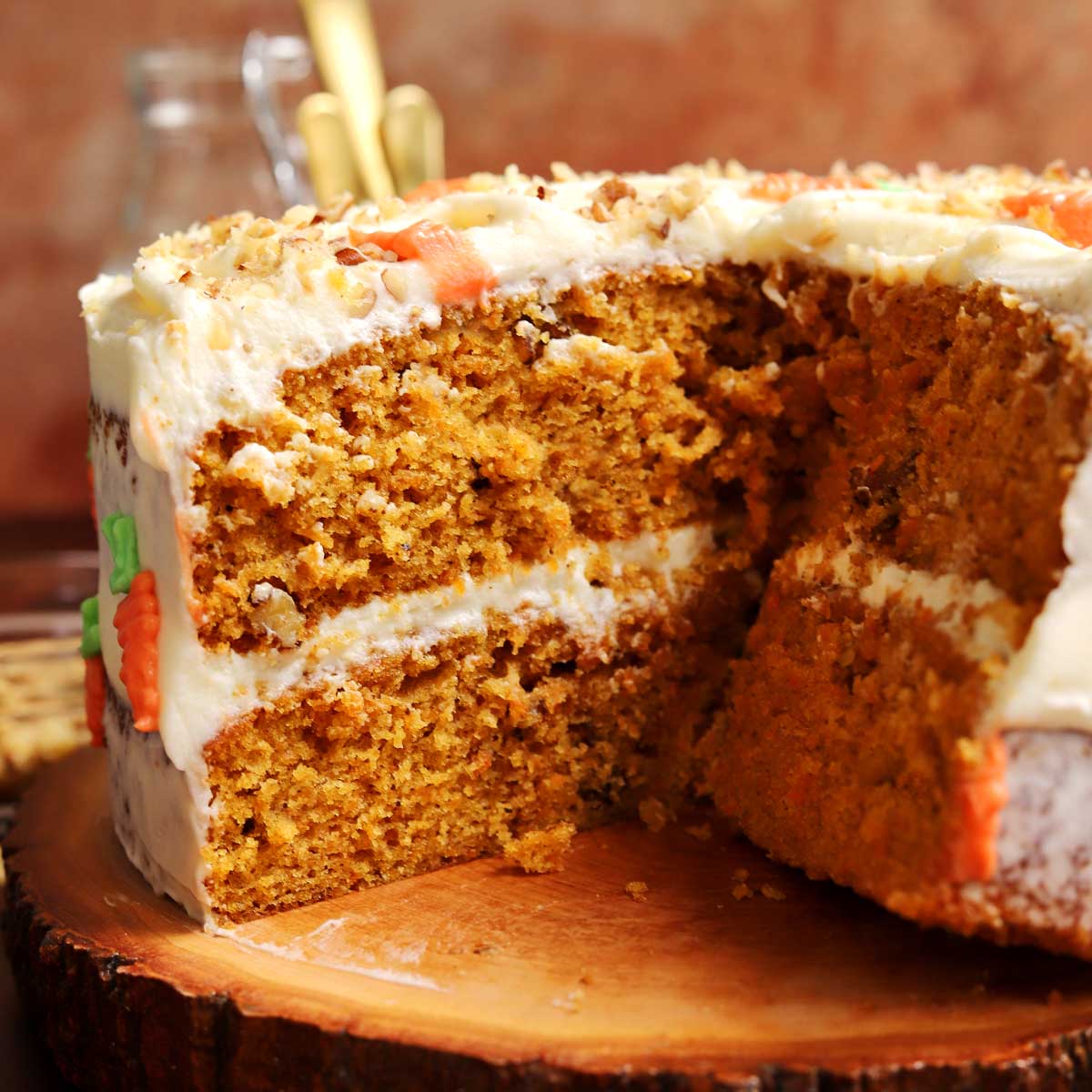
There are carrot cakes, and then there's the carrot cake – the one that makes eyes roll back in sheer delight, moist beyond belief, perfectly spiced, and crowned with a tangily sweet, impossibly smooth cream cheese frosting. If you've been on a quest for this holy grail of desserts, your journey ends here. We're about to unveil the secrets behind creating the best carrot cake with cream cheese frosting recipe, a masterpiece that will elevate your baking prowess and earn you endless accolades. Forget dry, crumbly cakes and overly sweet, gloopy frostings; this guide is your definitive blueprint for a truly unforgettable treat.
Unlocking the Moisture: The Heart of the Perfect Carrot Cake
The hallmark of a truly exceptional carrot cake is its moisture. A dry cake is a failed cake, no matter how good the frosting. Achieving that coveted, melt-in-your-mouth texture isn't just about adding carrots; it's a symphony of carefully selected ingredients and precise techniques. Let's delve into what makes our cake base supremely moist and flavorful.
Essential Ingredients for Unbeatable Moisture & Flavor
- Oil, Not Butter, for the Cake Base: While butter offers incredible flavor, oil is the undisputed champion for moisture in cakes. Vegetable oil, canola oil, or even a neutral-flavored olive oil will yield a beautifully moist crumb that stays tender for days. Butter, with its lower fat content, tends to produce a denser, more crumbly cake when used as the primary fat.
- Brown Sugar is Your Friend: Dark or light brown sugar not only adds a lovely caramel note but also contributes to moisture due to its molasses content. We'll use a combination of brown and granulated sugar for balanced sweetness and depth.
- Finely Grated Carrots: This is a crucial secret! While some recipes call for coarsely grated carrots, finely grating them (using the small holes of a box grater or a food processor attachment) ensures they practically melt into the cake, distributing moisture evenly and disappearing into the tender crumb rather than creating chewy bits. Aim for about 3-4 cups of packed, finely grated carrots for a standard two-layer 9-inch cake.
- A Touch of Pineapple (Optional, but Recommended): For an extra boost of moisture and a subtle tangy sweetness, a small can of crushed pineapple (well-drained!) works wonders. It also helps tenderize the cake and adds an irresistible tropical hint that complements the spices.
- Buttermilk or Yogurt: The acidity in buttermilk or plain yogurt reacts with baking soda, promoting a lighter, softer texture while also adding a beautiful tang and extra moisture.
- The Right Spices: Beyond just cinnamon, incorporating nutmeg, ginger, and a pinch of cloves creates a complex, warm flavor profile that defines classic carrot cake. Don't be shy with the vanilla extract either!
Mixing Techniques: The Key to a Tender Crumb
Once you have your ingredients ready, how you combine them is just as important. The goal is to develop flavor without developing too much gluten, which can lead to a tough cake.
- Whisk Dry Ingredients Thoroughly: Sift together your flour, leavening agents (baking soda, baking powder), salt, and spices. This ensures even distribution and prevents pockets of unmixed ingredients.
- Combine Wet Ingredients Separately: In another bowl, whisk together the oil, sugars, eggs, vanilla, and buttermilk/yogurt until well combined.
- Gentle Incorporation: Gradually add the dry ingredients to the wet ingredients, mixing only until just combined. A few lumps are okay! Overmixing develops gluten, making the cake tough.
- Fold in Carrots & Add-ins: Gently fold in your finely grated carrots, drained crushed pineapple (if using), and any nuts or raisins. The less you mix at this stage, the better.
Baking for Perfection
Pan preparation and baking temperature are vital. Grease and flour your cake pans (or use parchment paper circles for easy release). Bake at a moderate temperature (around 350°F / 175°C) until a wooden skewer inserted into the center comes out clean. Avoid opening the oven door too early, as this can cause the cake to sink.
For more detailed guidance on achieving cake perfection, including troubleshooting common baking issues, you might find our article Master the Best Carrot Cake Recipe & Cream Cheese Frosting incredibly helpful.
The Velvety Dream: Crafting the Ideal Cream Cheese Frosting
What is the best carrot cake with cream cheese frosting recipe without its iconic topping? A truly exceptional cream cheese frosting is rich, tangy, sweet, and incredibly smooth – never grainy or runny. It's the perfect counterpoint to the cake's spiced sweetness. Here's how to master it.
Ingredient Harmony: Cream Cheese, Butter, and Sugar
- Full-Fat Cream Cheese is Non-Negotiable: Do not, under any circumstances, use low-fat or whipped cream cheese. You need full-fat block cream cheese for stability, richness, and that classic tangy flavor.
- Softened Butter, Not Melted: Use unsalted butter, softened to room temperature. It should be pliable but not greasy. This allows it to cream properly with the cream cheese and sugar.
- Confectioners' Sugar (Powdered Sugar): This is key for a smooth, non-grainy texture. Sift it to remove any lumps before adding it to the mixture.
- A Splash of Vanilla and a Pinch of Salt: Good quality vanilla extract enhances the flavor, while a tiny pinch of salt balances the sweetness and brings out the tanginess of the cream cheese.
The Art of Whipping: Smooth, Fluffy, and Stable
The order and technique of mixing are crucial for a perfect frosting:
- Cream Butter and Cream Cheese First: In the bowl of a stand mixer (or with a hand mixer), beat the softened butter and cream cheese together on medium speed until completely smooth, light, and fluffy. This can take 2-3 minutes. Scrape down the sides of the bowl frequently. This step is vital to avoid lumps.
- Gradually Add Sifted Confectioners' Sugar: With the mixer on low speed, slowly add the sifted confectioners' sugar, a cup at a time. Mix until just incorporated after each addition. Once all the sugar is in, increase the speed to medium-high and beat for another 2-3 minutes until the frosting is light, fluffy, and visibly increased in volume.
- Flavor Boosters: Beat in the vanilla extract and salt. If you like, a little lemon zest can brighten the flavor even further.
Pro Tip: Ensure your cream cheese and butter are at the same room temperature. If the cream cheese is too cold, you'll get lumps. If the butter is too warm, the frosting can become runny.
Troubleshooting Common Frosting Fails
- Too Runny? This often happens if the butter or cream cheese was too warm, or if too much liquid was added. Try chilling the frosting in the refrigerator for 20-30 minutes, then re-whipping it. You can also try adding a bit more sifted confectioners' sugar, a tablespoon at a time.
- Too Stiff? Add a tiny amount (1 teaspoon at a time) of milk or heavy cream until it reaches your desired consistency.
- Lumpy? Usually a sign that the cream cheese wasn't softened enough or wasn't beaten smooth with the butter before adding sugar. Unfortunately, once the sugar is in, it's hard to remove lumps. Prevention is key!
For an even deeper dive into cream cheese frosting mastery, including advanced tips and flavor variations, don't miss our comprehensive guide: Ultimate Carrot Cake: Your Guide to Perfect Cream Cheese Frosting.
Beyond the Bake: Assembling, Decorating, and Storing Your Masterpiece
You've successfully baked a perfectly moist carrot cake and whipped up an ethereal cream cheese frosting. Now, for the grand finale: assembling and presenting your show-stopping dessert.
Cooling is Crucial
This cannot be overstated: your cake layers must be completely cooled before frosting. Warm cake plus cream cheese frosting equals a melted, sliding mess. Allow your cakes to cool in their pans for about 10-15 minutes before inverting them onto a wire rack to cool completely. This usually takes at least 2-3 hours, or even overnight.
Layering and Decorating
Once cooled, you can level your cake layers if they have domed tops. Place one layer on your serving plate or cake stand. Spread a generous amount of frosting evenly over the top, reaching just to the edges. Carefully place the second layer on top, aligning it. Then, spread the remaining frosting over the top and sides of the entire cake. Use an offset spatula or a bench scraper for a smooth finish.
For a rustic look, skip smoothing the sides completely. For decoration, consider:
- Chopped pecans or walnuts around the base or sprinkled on top.
- Candied carrot curls or fresh mint leaves for a pop of color.
- A simple sprinkle of cinnamon or nutmeg.
Storage and Longevity
Because of the cream cheese in the frosting, your carrot cake needs to be refrigerated. Cover it loosely with plastic wrap or store it in an airtight cake carrier. It will stay fresh and delicious in the refrigerator for 3-5 days. For the best flavor and texture, let slices come to room temperature for about 30 minutes before serving. You can also freeze unfrosted cake layers (well-wrapped) for up to 2-3 months, or even a fully frosted cake for a shorter period.
Creating the best carrot cake with cream cheese frosting recipe is a rewarding experience that transforms humble ingredients into a truly spectacular dessert. By focusing on moisture in the cake, achieving a perfectly balanced frosting, and paying attention to detail in every step, you'll be well on your way to baking a cake that will be remembered long after the last slice is gone. So roll up your sleeves, gather your ingredients, and prepare to bake the best carrot cake of your life!
